
Find Life Insurance Options That Fit Years From Now in Phelan, CA
Share a few details through our short form, which takes about two minutes, and a licensed agent covering your part of California follows up with term life and whole life options. It works the same way in Phelan, Piñon Hills and Oak Hills, with the aim of a policy you can still carry long after the first premium.
- No charge for the service
- You decide whether to buy
- Term and whole life options
- Your details sent once
Coverage options for Phelan families
Answer six short questions and a licensed agent will follow up with options that fit your situation.
- Takes about two minutes
- No obligation to buy
- Your details stay private
Free, no obligation
See your coverage options
Six short questions. About two minutes.
From Form to Policy, Step by Step
Most insurers handle an application in much the same order. Seeing it in advance makes the waits between steps easier to plan around.
- 1
Answer the questions
Fill in our short form with your state, a coverage amount, your marital status, beneficiary, date of birth and contact details. It takes about two minutes, and nothing is bought at this stage.
- 2
The agent gets in touch
The agent who covers your area contacts you, goes over your answers and lays out the policies that match them. This is the time to ask about term length, cash value or how large a policy to consider.
- 3
Health questions and sometimes an exam
The application covers your health, medications and tobacco use. For some amounts and policies, the insurer asks for a brief medical exam. Some policies skip the exam, and those usually cost more or cover less.
- 4
The insurer makes the call
The insurance company, not us, decides on coverage, price and approval. When it approves an application it issues the policy, and the first premium payment is what starts the cover.

Two Kinds of Life Policy
Most people end up weighing two kinds of policy. Term life covers a fixed stretch of years, commonly chosen to line up with a home loan or the years children live at home, and it ends when that stretch does. Whole life lasts for life as long as premiums are paid and builds cash value, a policy feature your agent can walk you through. The Term Life Insurance and Whole Life Insurance pages look at each one closely.

Term Life Insurance
Term life covers you for a set number of years, often 10, 20 or 30, so a mortgage, an income or the years children are at home stay covered.

Whole Life Insurance
Cover meant to last your whole life with a cash value feature, explained in plain terms, with the questions worth asking before you commit.
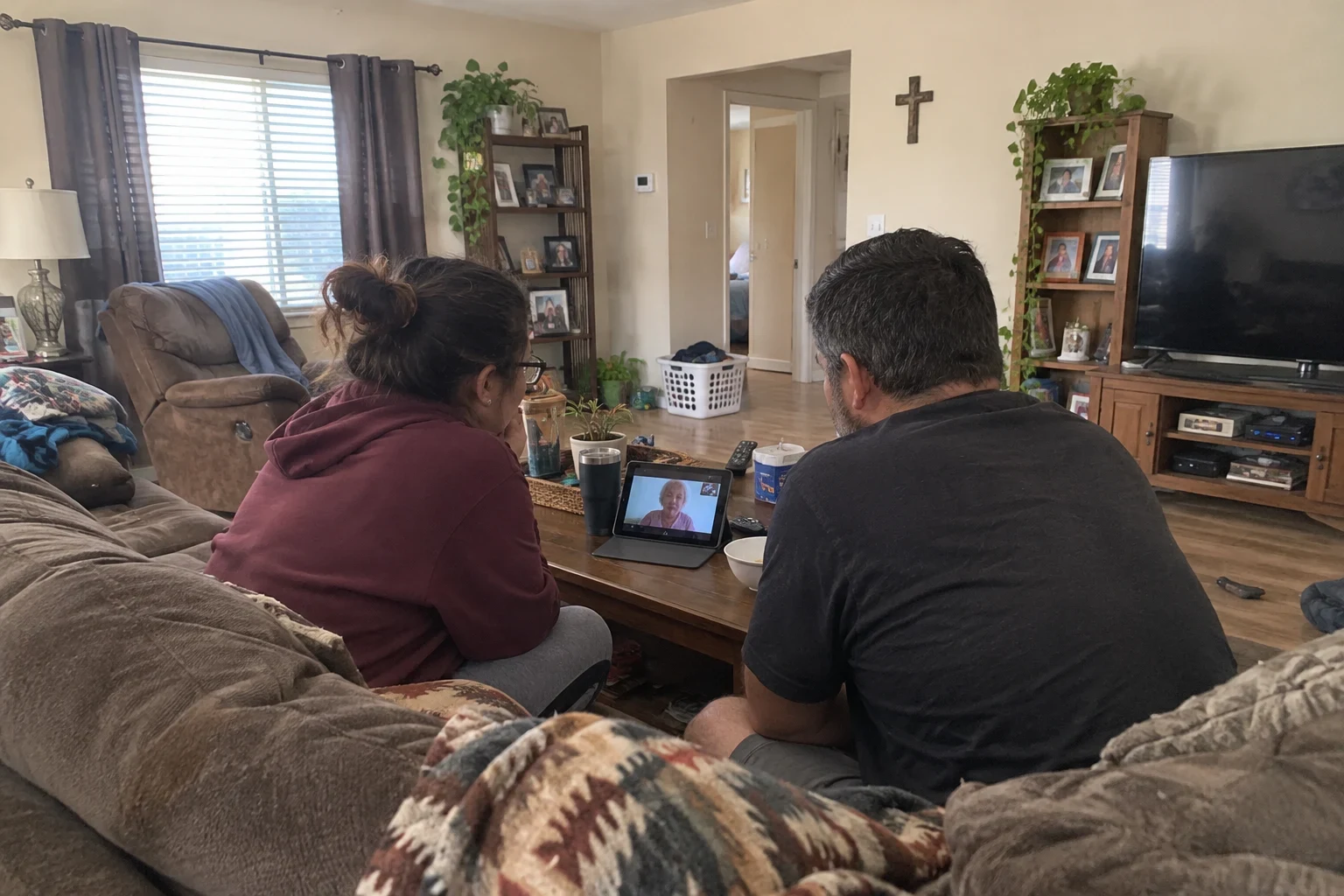
What Life Insurance Phelan Is
Life Insurance Phelan costs you nothing to use. It is a free service with one job: connecting you with a licensed life insurance agent in California. We are not an insurance company and we are not an agent, and we never sell, price, recommend or issue a policy.
Once your answers go out, the agent who contacts you takes over the conversation. That is the person to ask about policy details, the application and, further down the road, how to keep a policy current as your family grows or changes. The About page explains how your details are handled.
What Happens When You Use the Service
We handle one narrow step. What comes after it stays between you and the agent you speak with.
Your details sent once
You fill in the form a single time. Your state, the coverage figure you picked, your birth date and your chosen beneficiary travel to the agent as one set, so the first conversation begins with your facts already on the table.
Plain reading before anything else
The pages here set out the kinds of policy, what moves a premium and how applying works. You can read all of it first and know what to ask before you send a single detail.
Options, not a verdict
We do not rank policies or pick one for you. The agent lays out the choices and what each gives up, such as a longer term against a lower monthly premium. The decision is yours.
Built around the years after signing
A policy only helps if it is still in force when your family needs it. That is why the conversation covers upkeep: a premium your budget can carry in later years, not just this one, and beneficiary names that still match your family after a marriage or a birth.
What Moves the Price of a Policy
A life premium comes from a short list of inputs that an insurer weighs when it reviews an application. Each one has a reason behind it. Knowing them explains why a friend's or neighbor's premium says very little about what yours would be.
We do not show prices or estimates. When the agent who contacts you has your details, they can walk you through the figures an insurer offers and which of these inputs produced them.
- Age
- Insurers price on the chance of a claim while the policy runs, and that chance rises every year. Many term policies keep one level premium for the full term, so the age you apply at follows the policy to its last year.
- Health
- The health questions, and an exam when one is asked for, sort applicants into rating classes. Conditions like high blood pressure or diabetes, and how well they are kept under control, commonly shift which class you land in.
- Tobacco use
- People who smoke or use other tobacco are usually placed in their own, higher rating class. The application asks about use over a fixed look-back period, and the agent can show you exactly how that question reads.
- Amount of coverage
- The larger the sum set aside for your beneficiary, the higher the premium climbs. People often set a figure that would clear the main debts beside a second figure that would also stand in for several years of income, then compare the two.
- Length of the term
- A 30-year term carries more years of rising risk than a 10-year term, so the same amount costs more per month. What you get back is cover that lasts two decades longer.
- Kind of policy
- For the same amount, whole life costs more than term because it lasts for life and builds cash value. Term is the lower-cost route for a fixed span of years.
Where You Can Use the Service
The service is open to people in Phelan, Piñon Hills, Oak Hills, Wrightwood, Victorville, Hesperia, Adelanto, Mountain View Acres and Spring Valley Lake. Wherever you live in that list, you answer the same questions and hear from an agent licensed in California.
- Phelan
- Piñon Hills
- Oak Hills
- Wrightwood
- Victorville
- Hesperia
- Adelanto
- Mountain View Acres
- Spring Valley Lake
Nothing about the form or what happens after it changes from one town to the next. The Service Areas page sets this out in more detail.
Questions People Ask Before They Start
- Do I have to buy a policy after I send the form?
- No. You are under no obligation to buy. The agent who reaches out sets out options, and you can take your time, ask more questions or end it there. Sending your answers only opens the conversation.
- How much coverage do people usually look at?
- One rule of thumb people use adds several years of income to what they still owe. It is a rule of thumb, not advice for your situation. Purely as an example: the Census Bureau's American Community Survey for 2023 lists the median household income in Phelan at $83,759 and the median home value at $357,200. A household earning that much that wanted five years of income replaced would begin at five times the figure, then add the balance left on its mortgage, which is often below the home's value. Your own number rests on your income, your debts and the people you would name.
- Does my beneficiary owe income tax on the payout?
- Generally not. Federal law usually treats a payout that goes to a named person as something other than taxable income. Every situation has its own wrinkles, though, so a tax adviser is the right person to confirm how it applies to yours.
- What if I change my mind after the policy arrives?
- Every life policy has a free-look period of at least 10 days. In that window you can read the whole contract and cancel for a refund. The exact number of days is written in the policy, so look for that date as soon as the papers reach you.
- Why do people buy life insurance?
- Most reasons are practical. People want income replaced for those who rely on it, a mortgage paid off, children's costs covered, a funeral paid for or money left to family. Which of these fit your life shapes the amount and kind of policy worth looking at, so jotting them down before you start helps.
- What keeps a policy working over the years?
- Mostly steady habits. Premiums have to be paid on time, or the policy can lapse. A term policy stops when its term ends, so people often line the term up with the debt or the years it is there to cover. Beneficiary names should match your family today, and many people send the insurer an update after a marriage, a divorce or a new child.

Begin With What Your Family Relies On
Think about who a policy would look after and which debts it would need to clear. Once your answers are in, you set the pace for everything that follows.